
Finding the right Swimming Teacher in London can feel overwhelming. With so many options available — leisure centres, swim schools, private instructors, and group programmes — it’s not always clear which route is best for you or your child.
For parents, the goal is usually confidence, safety, and skill development. For adults, it might be learning from scratch, overcoming fear of water, improving technique, or simply becoming fitter through swimming.
The right teacher makes all the difference. A good instructor doesn’t just teach strokes — they build confidence, create a safe environment, and help swimmers enjoy being in the water.
This guide will help you understand exactly what to look for when choosing a swimming teacher in London, what questions to ask, and how to ensure lessons suit your goals.
Qualifications and Certifications to Look For
Not all swimming teachers are equally qualified. In London, anyone can technically advertise swimming lessons, so it’s important to check credentials.
A professional instructor should hold recognised UK swimming qualifications, ideally from Swim England (formerly ASA).
Look for certifications such as:
ASA Level 2 Award for Teaching Aquatics
This qualification ensures the instructor is trained to teach swimmers of different ages and abilities safely and effectively.
ASA Coaching Swimming
This focuses on stroke development, performance improvement, and technique progression.
ASA Level 2 Award for Coaching Aquatic Pre-Fundamentals (Baby & Toddler)
This qualification shows expertise in introducing young children to water in a safe, structured, and supportive way.
Qualified teachers understand:
Age-appropriate learning methods
Safe progression of swimming skills
Water confidence development
Safety and rescue awareness
Effective communication with both children and adults
Always ask about qualifications — a professional instructor will happily share them.
Experience Teaching Children and Adults

Qualifications matter, but experience is equally important.
Teaching swimming isn’t one-size-fits-all. Children and adults learn very differently, and lessons should reflect this.
Teaching Children
A good instructor for children should:
Build trust and confidence gradually
Use games and fun activities
Understand child development stages
Keep lessons engaging and varied
Manage short attention spans
Teaching Adults
Adult learners often need a completely different approach. Many adults feel nervous or embarrassed about learning to swim later in life.
An experienced instructor knows how to:
Work with nervous swimmers
Explain techniques clearly
Correct habits gently
Build confidence step by step
Adapt pace to individual comfort
A versatile swimming teacher in London should comfortably teach both children and adults.
Teaching Approach and Communication Style
A teacher’s personality and communication style hugely impact lesson success.
Good instructors:
Speak clearly and calmly
Offer constructive feedback
Encourage without pressure
Adapt teaching methods to each swimmer
Celebrate progress, however small
For children, lessons should feel fun and positive. For adults, teaching should feel supportive rather than intimidating.
If possible, observe or ask how lessons are structured before committing.
Safety Standards and Safeguarding
Safety must always come first in swimming lessons.
A professional swimming teacher should:
Hold up-to-date safeguarding training
Have public liability insurance
Follow clear safety procedures
Conduct lessons appropriate to ability level
Understand emergency protocols
Parents should also feel comfortable asking about safeguarding procedures when booking lessons for children.
A safe environment allows swimmers to relax and learn effectively.
Lesson Structure and Progression
Progress in swimming comes from structured learning, not random drills.
A good lesson plan typically includes:
Warm-up and confidence building
Skill introduction or refinement
Practice and repetition
Games or drills to reinforce skills
Feedback and cool-down
Progression should be gradual, ensuring swimmers master each stage before moving on.
Good instructors track development and adapt lessons accordingly.
Benefits of One-to-One Lessons vs Group Lessons
Both lesson formats have advantages.
Group Lessons
Good for:
Social learning
Lower costs
Peer motivation
Structured programmes
However, swimmers often receive limited individual attention.
One-to-One Lessons
Private lessons provide:
Full attention from instructor
Faster progress
Personalised teaching
Flexible pace
Greater confidence building
Private lessons are especially helpful for nervous swimmers or those wanting rapid improvement.
Many swimmers move to private lessons after finding group classes too slow or overwhelming.
Importance of Learning in a Comfortable Environment
The environment strongly affects learning.
Busy public pools can be noisy, crowded, and intimidating — especially for beginners or children.
Learning in a quieter, more controlled environment often results in:
Better focus
Faster confidence building
Less distraction
Reduced anxiety
Improved lesson quality
Comfort encourages swimmers to relax, which speeds up learning.
Benefits of Learning in Private or Residential Pools in London
Private or residential pools offer major advantages over busy leisure centres.
Benefits include:
Quieter environment
Greater privacy
Less waiting time
Cleaner, calmer water conditions
Flexible lesson scheduling
This environment is ideal for:
Young children
Nervous swimmers
Busy professionals
Families wanting convenience
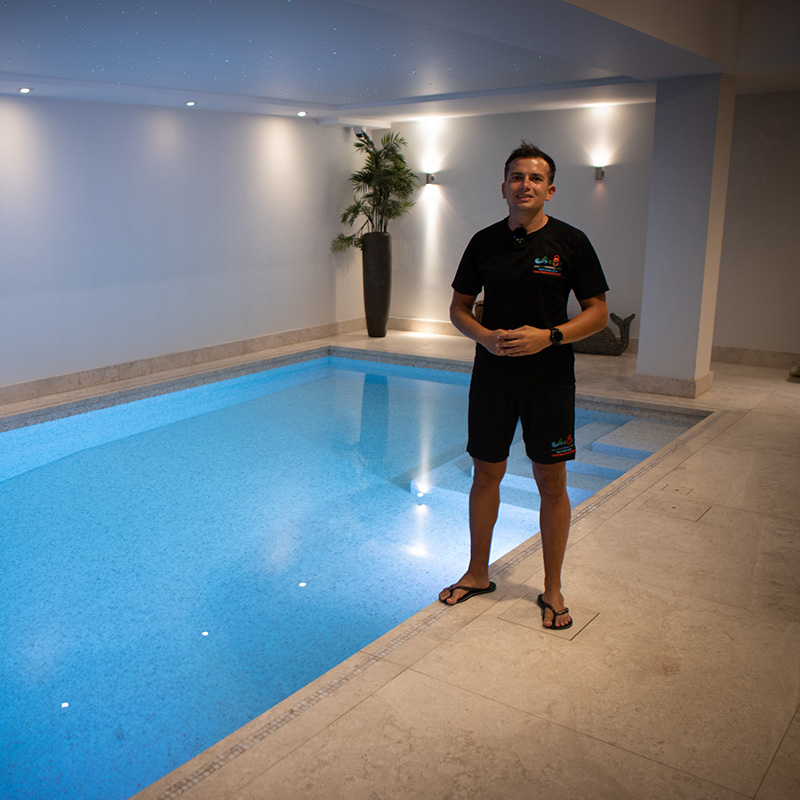
At Going Swimmingly London, lessons take place exclusively in clients’ own private swimming pools or residential building pools.
This ensures lessons remain calm, personalised, and highly effective.
New clients can be accepted only if they have access to such facilities.
Considerations Specific to South West London Clients
South West London areas like Richmond, Wimbledon, Wandsworth, Putney, and Fulham have many residential developments with private pools.
For families and professionals in these areas, private lessons often save significant travel time compared to public swim schools.
Benefits include:
No travel across London traffic
Lessons built around your schedule
Familiar, comfortable swimming environment
Consistent water conditions
For busy London families, convenience plays a huge role in maintaining consistent lessons.
Questions Clients Should Ask Before Booking
Before choosing a swimming teacher, ask:
What qualifications do you hold?
Do you teach both children and adults?
How do you handle nervous swimmers?
How are lessons structured?
How do you track progress?
What safety procedures are in place?
Where do lessons take place?
A professional instructor will answer confidently and clearly.
Common Mistakes People Make When Choosing a Swimming Teacher
Many people choose lessons based only on price or convenience. Common mistakes include:
Choosing unqualified instructors
Booking overcrowded group lessons
Expecting instant results
Ignoring teaching style compatibility
Not prioritising safety standards
Swimming progress requires the right environment, guidance, and patience.
Advice for Nervous Adults and Beginner Children
Fear of water is very common.
For Adults
Remember:
It’s never too late to learn.
Many adults start swimming later in life.
Progress comes step by step.
Confidence builds gradually.
A supportive teacher makes the experience positive rather than stressful.
For Children
Parents should:
Avoid pressuring children
Choose fun, positive lessons
Celebrate small achievements
Maintain consistency
Confidence in water leads to long-term swimming enjoyment.
Why Instructor Experience Matters
Experienced instructors recognise subtle issues quickly, such as:
Poor breathing technique
Body position errors
Fear-related hesitation
Inefficient movement patterns
Correcting issues early prevents bad habits forming and accelerates improvement.
At Going Swimmingly London, instruction is delivered by a qualified professional holding:
ASA Level 2 Award for Coaching Aquatic Pre-Fundamentals (Baby & Toddler)
ASA Teaching Aquatics Level 2
ASA Coaching Swimming
Lessons focus on building confidence first, then developing technique and skill progression.
FAQ – Swimming Lessons in London

How long does it take to learn to swim?
It varies, but beginners often gain basic confidence within several lessons. Technique development takes longer and depends on consistency.
Are private swimming lessons worth it?
Yes, especially for nervous swimmers or those wanting faster progress.
Can adults learn to swim easily?
Absolutely. Many adults learn successfully with patient instruction.
How often should lessons take place?
Weekly lessons usually provide good progress while allowing time to practise between sessions.
Are private pool lessons better than public pools?
For many learners, yes — quieter conditions improve focus and confidence.
Can toddlers start swimming lessons?
Yes, early water confidence helps long-term swimming ability when taught safely.
Final Thoughts: Choosing the Right Swimming Teacher in London
The right Swimming Teacher in London can transform how you or your child feel about the water.
Look for:
Proper qualifications
Experience with your age group
Strong communication skills
Safe teaching practices
Structured lesson progression
Comfortable learning environments
Swimming is a life skill that brings safety, fitness, and enjoyment for years to come.
Ready to Start Swimming Lessons?
If you or your child have access to a private or residential swimming pool in London and are looking for personalised, supportive instruction, Going Swimmingly London offers one-to-one lessons tailored to each swimmer’s needs.
Whether you’re building water confidence, learning to swim, or refining technique, lessons are designed to help you progress comfortably and effectively.
Feel free to get in touch to discuss availability and see how lessons could work for you.