
Menopause is a significant life transition, and for many women, it brings a range of physical and emotional challenges — from hot flushes and disrupted sleep to joint pain and anxiety. The good news is that regular exercise can make a real difference, and swimming, in particular, is one of the most effective and gentle ways to manage symptoms.
As a private swimming instructor and personal trainer based in London, I’ve worked with many women who have discovered the transformative power of water-based exercise during perimenopause and menopause. In this guide, I’ll explain exactly why swimming is such a brilliant option and how you can get started.
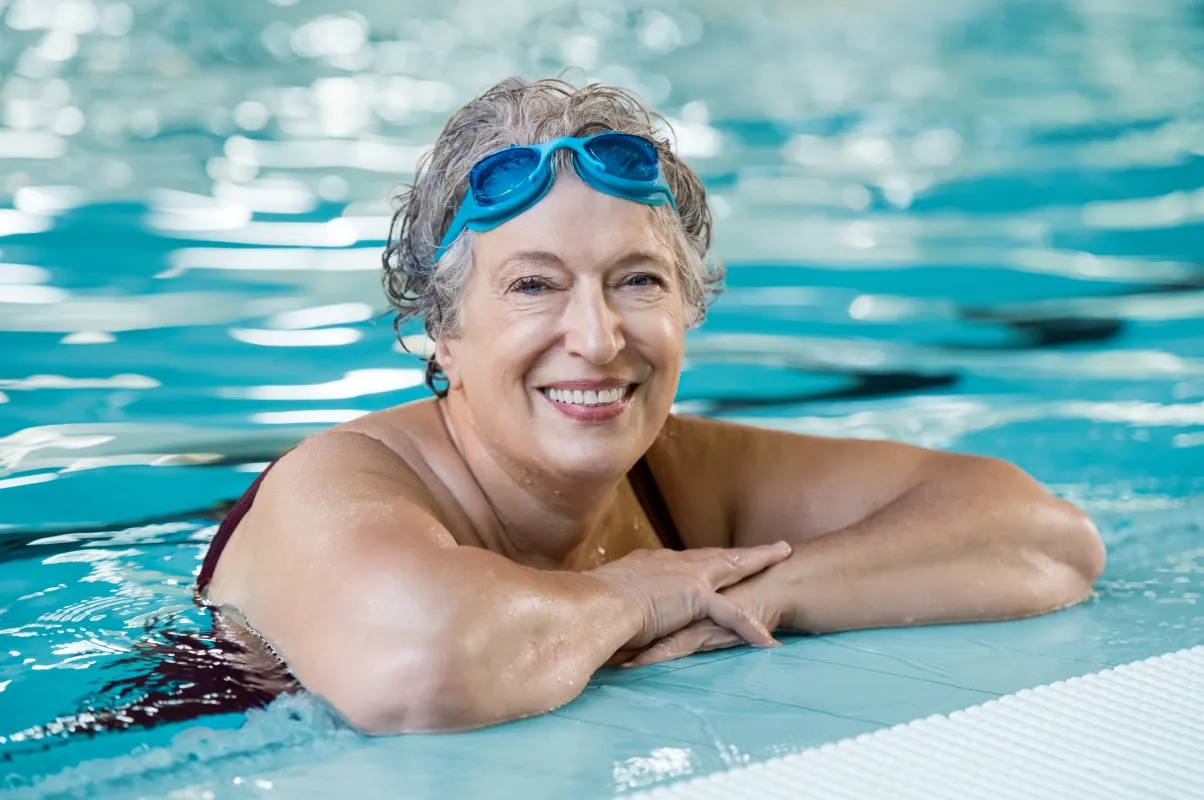
Why Exercise Matters During Menopause
Before we dive into the benefits of swimming specifically, it’s worth understanding why staying active during menopause is so important. As oestrogen levels decline, women become more susceptible to a range of health concerns, including:
- Increased risk of osteoporosis (bone density loss)
- Weight gain, particularly around the abdomen
- Cardiovascular changes
- Mood fluctuations, including anxiety and low mood
- Disrupted sleep patterns
- Joint stiffness and discomfort
Regular exercise addresses many of these concerns directly. According to NHS guidance, adults should aim for at least 150 minutes of moderate-intensity activity per week — and swimming ticks that box beautifully.
The Key Benefits of Swimming for Menopause
It’s Gentle on Your Joints
One of the most common complaints during menopause is joint pain and stiffness, often linked to declining oestrogen levels. High-impact exercise such as running or aerobics can aggravate this discomfort.
Swimming, however, is a low-impact activity. The water supports up to 90% of your body weight, which means you can work your muscles, raise your heart rate, and build strength — all without placing unnecessary stress on your hips, knees, or back.
It Helps Manage Hot Flushes
Hot flushes are one of the most disruptive menopause symptoms, and many women find that exercising in a cool pool provides immediate relief. The water naturally regulates your body temperature, making swimming one of the few forms of exercise that can actually cool you down as you work out rather than overheating you further.
Some research also suggests that regular aerobic exercise may help reduce the frequency and severity of hot flushes over time, though individual responses vary.
It Supports Bone Health
Whilst swimming is not a weight-bearing exercise (which means it should ideally be combined with some strength training for maximum bone density benefits), it does help to maintain muscle strength around the joints, which supports skeletal health overall.
If you’re concerned about osteoporosis, speak to your GP about combining swimming with targeted strength work — something I can help you build into a balanced programme as a personal trainer.
It Boosts Mood and Reduces Anxiety
Menopause can take a significant toll on mental wellbeing. Many women experience heightened anxiety, low mood, or even depression during this period. Exercise is one of the most well-evidenced natural mood-boosters available, and swimming is no exception.
When you swim, your brain releases endorphins — the feel-good chemicals that help reduce stress and improve your overall sense of wellbeing. The rhythmic, meditative quality of swimming lengths also has a calming, almost mindfulness-like effect that many women find deeply beneficial.
It Aids Weight Management
Changes in hormone levels during menopause can make it easier to gain weight and harder to lose it, particularly around the midsection. Swimming is a genuinely effective calorie-burning exercise — a 30-minute session can burn anywhere between 200 and 400 calories depending on your intensity and stroke choice.
Because it works every major muscle group simultaneously, swimming also helps to build lean muscle mass, which supports a healthy metabolism.
It Improves Sleep Quality
Sleep disturbances, including night sweats and insomnia, are among the most exhausting menopause symptoms. Regular moderate exercise — including swimming — has been shown to improve sleep quality by helping to regulate the body’s internal rhythms and reduce cortisol (the stress hormone) levels.
Many of my clients report that swimming a few times a week leads to noticeably better sleep within just a few weeks.
Which Swimming Strokes Are Best for Menopausal Women?
Breaststroke
Breaststroke is an excellent starting point for anyone returning to swimming or new to it. It’s relatively gentle, easy to pace, and allows you to keep your head above water if you prefer — which is particularly useful if you experience anxiety in the water.
Backstroke
Backstroke is wonderful for the back and shoulder muscles, and it’s a great low-impact option that’s easy on the neck and spine. Many women with joint sensitivity find backstroke particularly comfortable.
Front Crawl
Front crawl is the most efficient stroke for cardiovascular fitness and calorie burning. If you’re comfortable in the water and want to maximise the aerobic benefits of your sessions, gradually building up your front crawl endurance is a brilliant goal to work towards.
Gentle Water Walking or Aqua Jogging
If you’re not yet a confident swimmer, water walking or aqua jogging in the shallow end is a perfectly valid starting point. The resistance of the water still provides a solid workout, and it’s a great way to build your confidence before progressing to full strokes.
How to Get Started: Practical Tips
Start Slowly and Build Gradually
If you haven’t swum regularly for a while, don’t feel pressure to jump straight into long sessions. Begin with 20-minute swims two or three times a week and gradually increase the duration and intensity as your fitness builds.
Focus on Consistency Over Intensity
During menopause, the body can be more sensitive to overexertion, which can actually worsen symptoms such as fatigue and sleep disruption. Aim for moderate, consistent effort rather than pushing yourself to exhaustion.
Consider Private Swimming Lessons
If your technique isn’t where you’d like it to be, or if you’re returning to the water after a long break, private swimming lessons can make a significant difference. Good technique means you’ll swim more efficiently, reduce your risk of injury, and get far more out of every session.
Combine Swimming with Strength Training
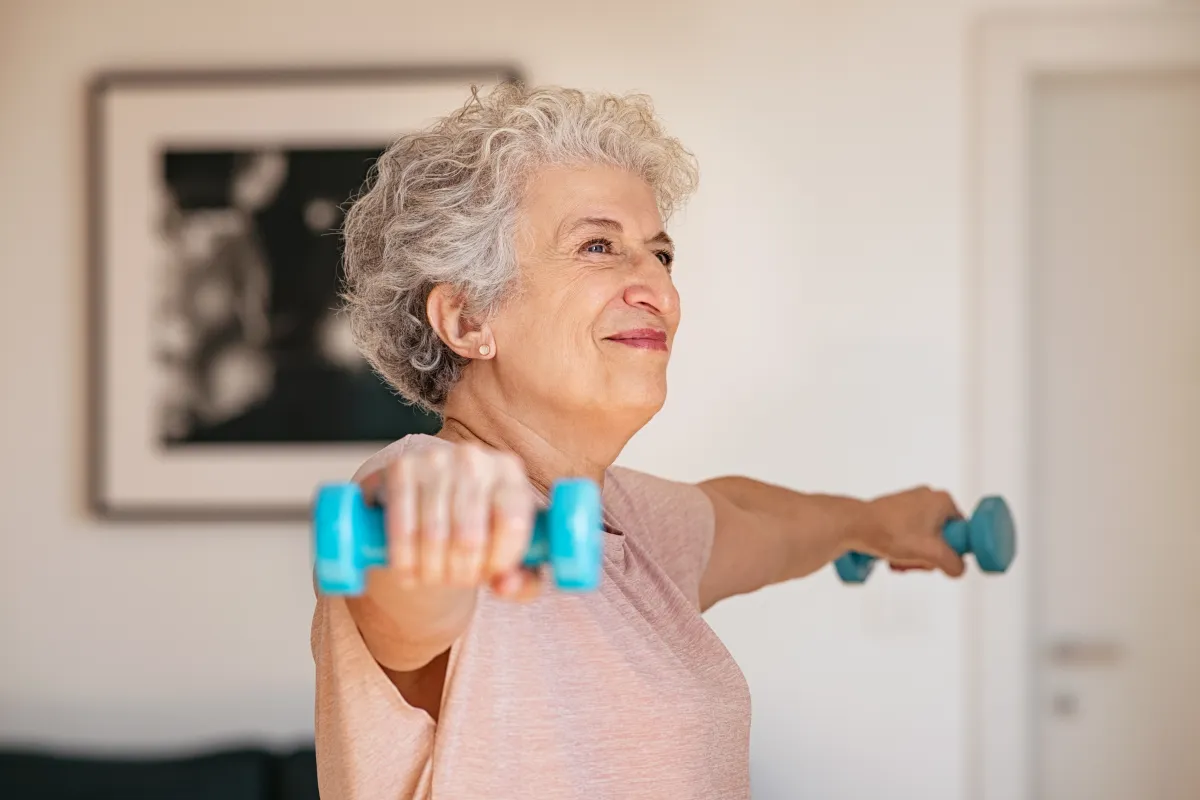
As mentioned earlier, swimming alone won’t fully address bone density concerns. Incorporating two sessions of strength or resistance training per week — whether with a personal trainer or through a structured programme — will give you a much more comprehensive approach to managing menopause symptoms through exercise.
Stay Hydrated
It may seem counterintuitive when you’re surrounded by water, but swimming can be quite dehydrating. Always drink water before and after your session, and listen to your body.
Swimming for Menopause in London
If you’re based in London and looking for a way to manage your menopause symptoms through exercise, I’d love to help. I offer private swimming lessons and personal training sessions tailored to your individual needs, goals, and fitness level — whether you’re a complete beginner or an experienced swimmer looking to refine your technique and build a structured programme.
Sessions can take place at your residential pool or at a convenient pool near you across South West London and beyond.
Final Thoughts
Swimming is one of the most versatile, gentle, and effective forms of exercise available — and during menopause, its benefits are particularly well suited to what the body needs. Whether you’re looking to manage hot flushes, improve your mood, support your bone health, or simply find a form of exercise you genuinely enjoy, the pool is a wonderful place to start.
If you’d like to find out more about private swimming lessons or personal training in London, please don’t hesitate to get in touch.
Adam is a private swimming instructor, swimming coach, and personal trainer based in London. He offers one-to-one swimming lessons and personal training sessions for adults and children of all ages and abilities.